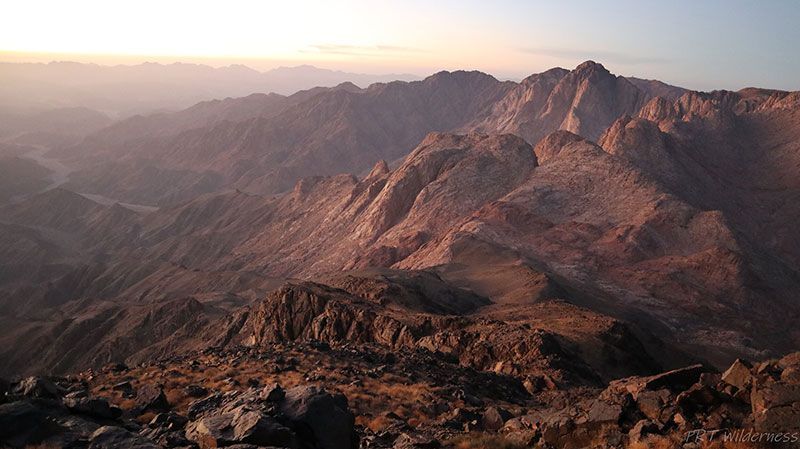
Is It Safe to Travel to the Holy Land Right Now?
Is It Safe to Travel to the Holy Land Right Now? A Thoughtful, Grounded Answer
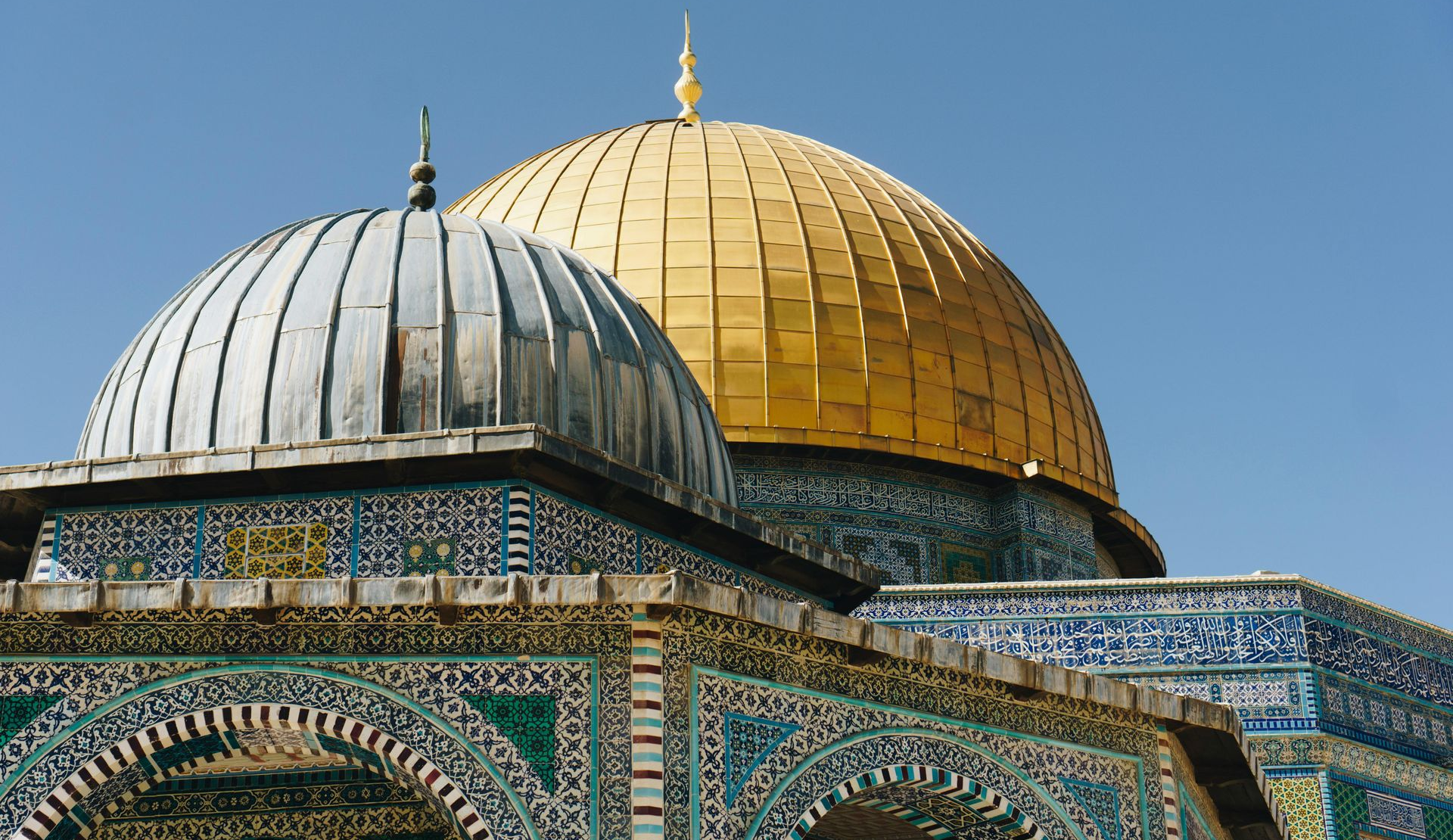
If you’re asking, “is it safe to travel to the Holy Land now?” you are not alone. It’s one of the most common and most honest questions we receive.
It’s also a wise question.
The land that Jews, Christians, Muslims, and many others hold sacred is often in the headlines. Images of conflict travel fast. Political narratives grow loud. Social media compresses complex realities into sharp soundbites. And for the spiritually curious traveler—the one who feels called toward a deeper encounter rather than a surface-level tour—this can create tension in the heart. You may feel drawn toward a pilgrimage to the Holy Land, yet unsure whether that longing is practical… or responsible… or safe.
Let’s slow this down.
Instead of offering fear-based reassurance or dismissing legitimate concerns, this post offers something steadier: context, transparency, and lived reality from those who walk the ground daily.
The Headline vs. the Lived Reality
When people search online for “is travel to Israel safe” or scan a current Israel travel advisory, they often encounter broad, high-level warnings. Government advisories are designed to be cautious. News cycles focus on flashpoints. And both tend to speak in generalities.
But life on the ground is rarely general.
The Holy Land—encompassing Israel and the Palestinian Territories—is not one uniform space of chaos. It is a mosaic of regions, neighborhoods, cultures, and daily rhythms. In any given week, millions of people go to work, send children to school, pray in mosques and synagogues and churches, shop in markets, harvest olives, lead university classes, and gather for weddings.
Pilgrims continue to walk the Via Dolorosa in Jerusalem. Worshipers still fill the pews at the Church of the Holy Sepulchre. Families light Sabbath candles. The call to prayer still echoes across the hills. This does not deny that tension exists. It does. It always has, in various forms. But tension does not equal constant danger, and headlines do not equal lived daily reality. Safety in the Holy Land—like safety in many parts of the world—is nuanced, localized, and deeply influenced by where you go, who you are with, and how you travel.
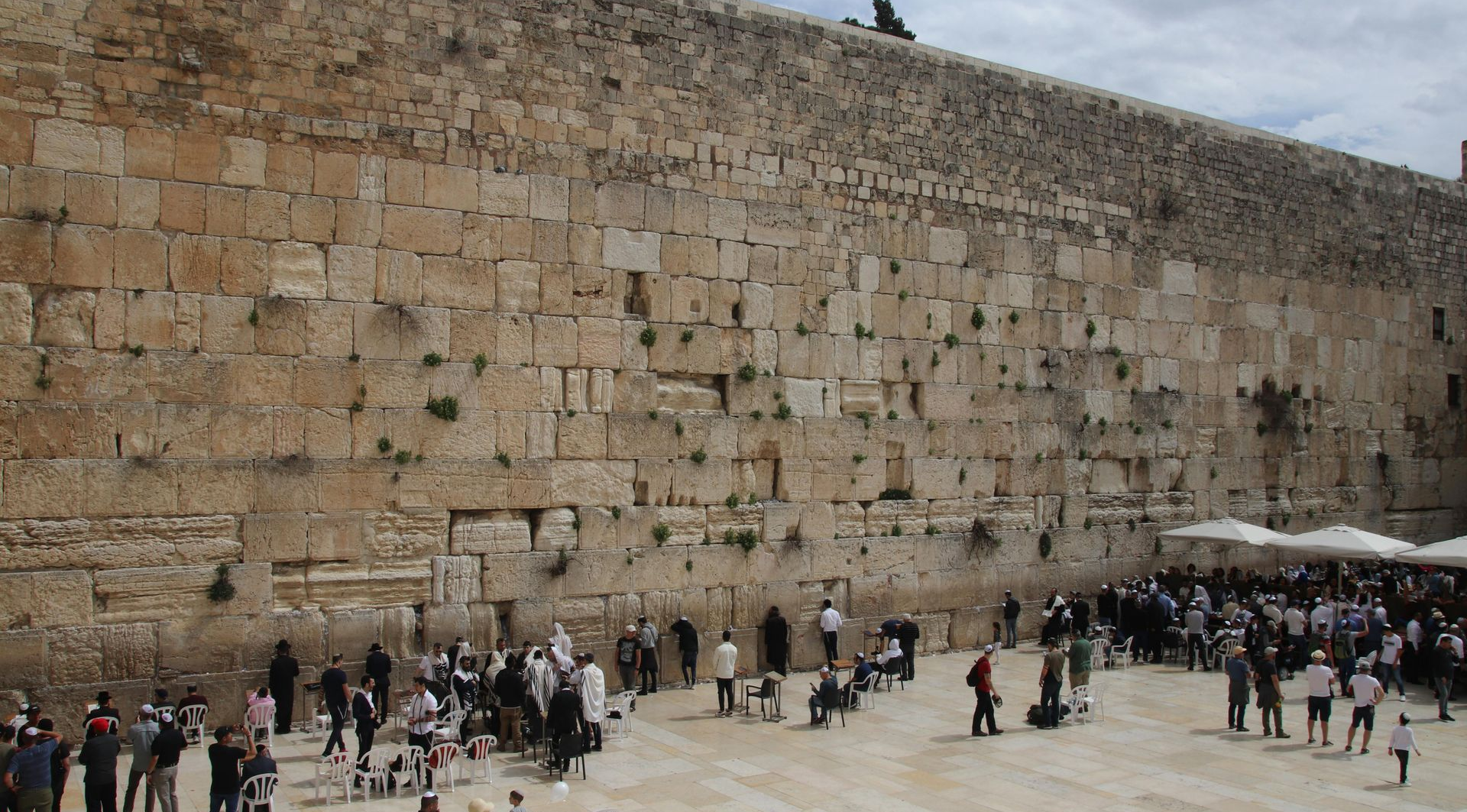
What “Safe” Actually Means
When someone asks, “is it safe to travel to Israel?” what they are often asking is:
- Will I be physically secure?
- Will I be caught in violence?
- Will I feel anxious the entire time?
- Is this responsible to do?
Safety is not a binary. It is a spectrum influenced by planning, partnership, awareness, and posture. A well-designed trip to Israel or the Palestinian Territories is not a spontaneous wander into unstable areas. It is structured. It is informed. It is guided by local partners who understand the rhythms of the land and who adjust itineraries if conditions change.
Major pilgrimage sites and historic spiritual destinations are accustomed to hosting international travelers. Security infrastructure in Israel, in particular, is among the most sophisticated in the world. Entry procedures can be thorough—but thorough is not the same as unsafe. It is often the opposite.
That said, there are moments when certain regions are not advisable for travel. Ethical operators do not ignore that. They adjust. They postpone. They redesign itineraries when needed. Safety decisions are made dynamically, not ideologically.
For the spiritually grounded traveler, the real question becomes not simply “is it safe?” but “Is this journey being facilitated responsibly?”
The Difference Between Tourism and Pilgrimage
There is a difference between a mass-market Christian Holy Land tour that rushes through sites with little context and a thoughtfully curated pilgrimage rooted in relationships.
One is transactional. The other is relational. Safety is dramatically shaped by relationship.
When you travel with ethical local partnerships—guides who live there, drivers who know alternate routes, hosts who understand community dynamics—you are not a detached outsider. You are a guest under the care of people who take your wellbeing seriously.
At Holy Land 360, our model has always centered on local collaboration. Palestinian Christian guides. Israeli Jewish scholars. Interfaith voices. Community leaders. People who wake up each day in this land.
They do not benefit from recklessness. They benefit from stability, mutual respect, and ongoing connection. So they make decisions accordingly.
This is not blind optimism. It is lived prudence.
Understanding the Israel Travel Advisory Context
Government travel advisories are important tools. They are also often broad instruments. When a country issues an Israel travel advisory, it may apply to specific border regions or flashpoint areas while daily life continues relatively normally in others. Advisories are rarely fine-grained enough to distinguish between neighborhoods in Jerusalem, regions of the West Bank, or distances between sites. For example, a warning related to border tension in the north does not necessarily reflect conditions in Bethlehem, Jericho, or Nazareth at the same time. Context matters. A responsible pilgrimage organizer monitors advisories closely, communicates transparently with participants, and makes decisions rooted in up-to-date, local input rather than fear or denial.
It is also worth noting that many parts of the Middle East are safer for visitors than their media portrayal suggests. Major urban centers in Israel often have lower rates of violent crime than large Western cities. That does not mean complacency—but it does challenge assumptions.
The Emotional Safety Question
For the Spiritual traveler—the one who is rooted in faith yet open to interspiritual encounter—the safety question is not only physical. It is emotional and spiritual. You may wonder: Will I feel overwhelmed? Will the tension be heavy? Will I feel conflicted?
The Holy Land is complex. You will hear narratives that challenge you. You will meet people whose experiences differ. You may feel grief alongside beauty.
But complexity is not danger. It is depth.
When guided well, a pilgrimage to the Holy Land becomes an opportunity to hold multiple truths with compassion. You are not asked to solve the region’s politics. You are invited to witness humanity. This requires cultural humility. It requires listening more than declaring. It requires remembering that you are entering a land sacred to many. Paradoxically, travelers who approach with humility often report feeling safer—because humility fosters relationship, and relationship fosters trust.
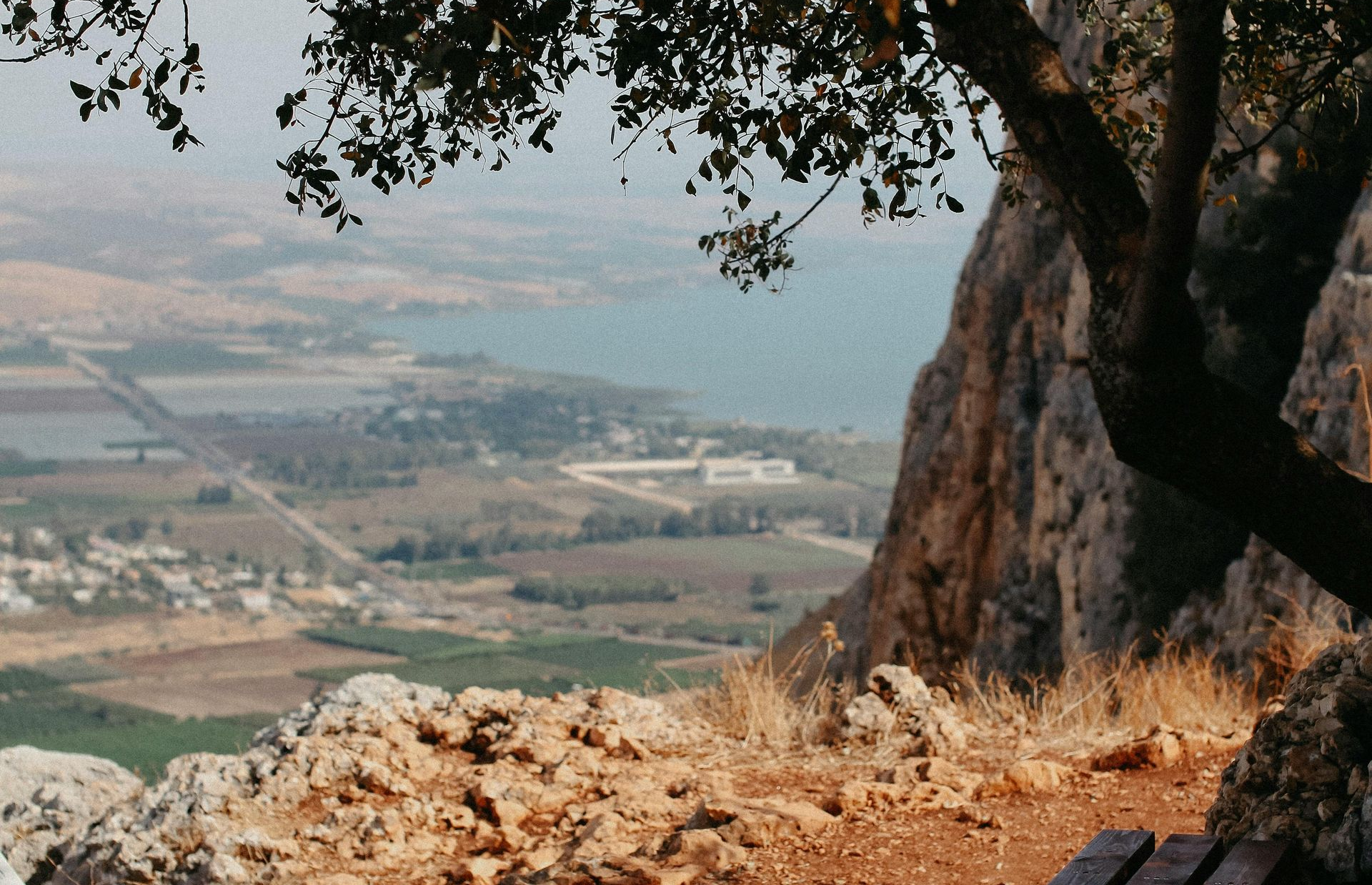
What Increases Safety in Holy Land Travel and Tours
Instead of offering a checklist, let’s speak plainly.
Safety increases when:
- You travel with experienced local guides rather than navigating independently in unfamiliar regions.
- You stay in well-established accommodations that are accustomed to international guests.
- You follow real-time guidance rather than rigidly clinging to a fixed itinerary.
- You avoid protest zones or politically charged gatherings.
- You stay informed without being consumed by sensationalism.
- You travel in community.
Pilgrimage has always been communal for a reason. There is wisdom in walking together.
When It May Not Be the Right Time
There are seasons when postponement is wise. If there is active, widespread escalation across multiple regions. If flights are severely disrupted. If local partners advise against arrival. In those moments, integrity requires patience. A responsible spiritual travel organization does not push forward to meet a sales target. It listens to the land.
We have seen seasons when travel paused entirely. And we have seen seasons when travel resumed with meaningful, peaceful, deeply transformative experiences. Discernment is ongoing.
Media Narratives and the Human Face
One of the most grounding realities for travelers is discovering how different lived experience feels from the media narrative.
News cycles are built around urgency and contrast. Daily life is built around routine and relationship.
On a single day, you might:
- Share tea with a Palestinian Christian family in Bethlehem.
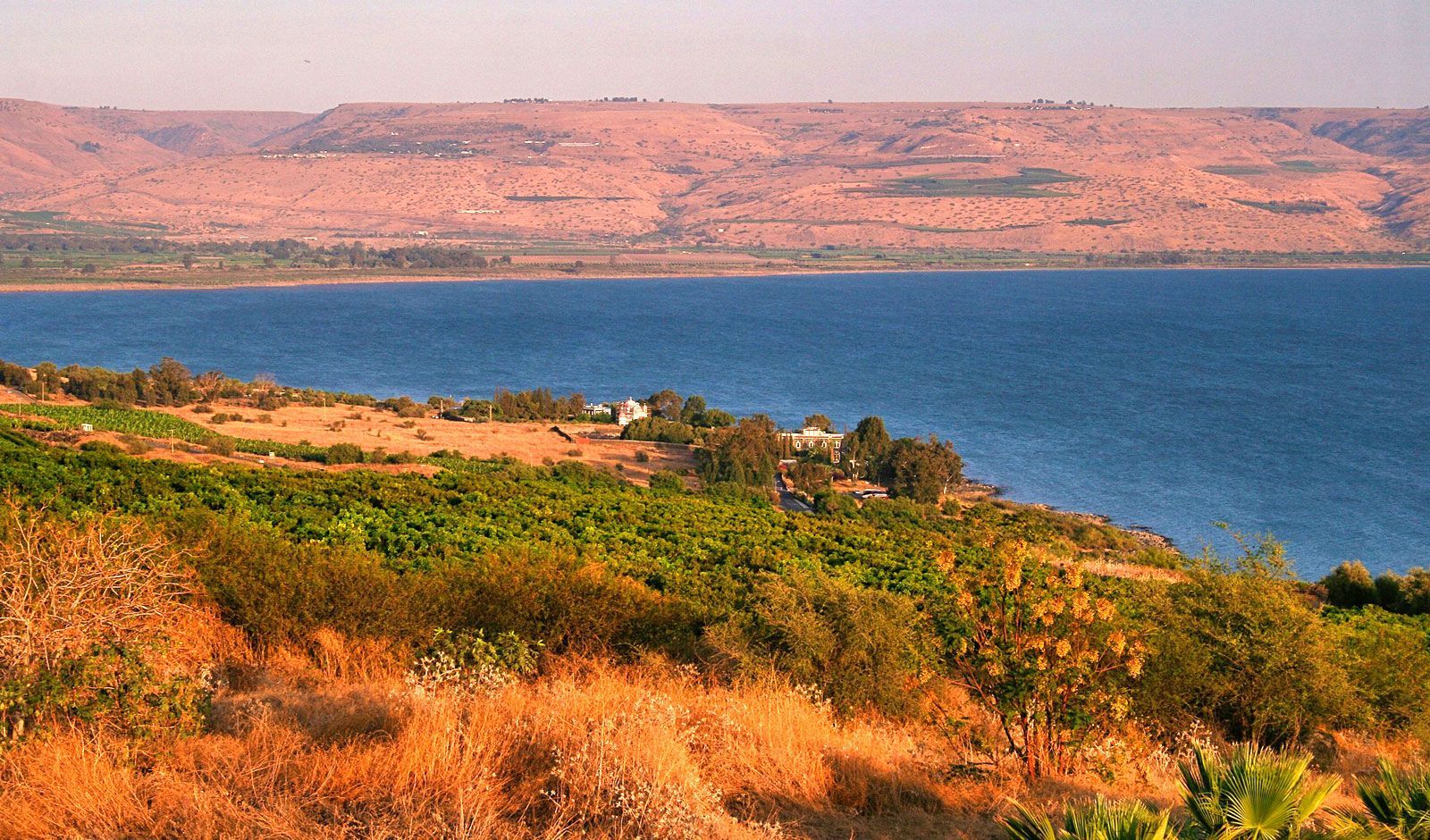
- Walk the Sea of Galilee at dawn.
- Sit in dialogue with an Israeli Jewish educator.
- Listen to the Muslim call to prayer in Jerusalem’s Old City.
None of this erases tension. But it reveals something larger: ordinary human life continues. Travelers often return saying, “It wasn’t what I expected.” Not because conflict is imaginary—but because humanity was louder than fear.
Is Travel to Israel Safe for a Christian Holy Land Tour?
Many specifically search for “is travel to Israel safe” in the context of a Christian Holy Land tour.
Christian pilgrimage has been happening here for nearly two millennia. Even in eras of political complexity, pilgrims have continued to come. Christian communities still live in Jerusalem, Bethlehem, Nazareth, and beyond. Churches remain active. Worship continues daily.
Safety in this context is shaped by itinerary design. Reputable Christian holy land tours focus on stable regions, reputable transport providers, and well-established hospitality partners. What matters most is not simply that a tour exists—but that it is grounded in relationship, transparency, and ongoing local communication.
A Different Kind of Security
There is another dimension rarely discussed: the interior posture you bring. Fear magnifies vulnerability. Presence sharpens awareness. A spiritually grounded traveler is not naive. You pay attention. You follow guidance. You remain adaptable. But you also resist the temptation to let global anxiety dictate every decision. Pilgrimage has never been about comfort alone. It is about encounter. That does not mean recklessness. It means courage balanced with wisdom.
The Ethical Dimension
For some travelers, the safety question overlaps with an ethical one: Is it right to visit a region experiencing tension?
This is deeply personal. But many local communities—both Israeli and Palestinian—depend on responsible travel for economic sustainability. Ethical holy land travel and tours can support small businesses, artisans, guesthouses, guides, and nonprofits. Travel done humbly can be a form of solidarity rather than exploitation. The key is how you travel. Are you consuming a destination? Or are you entering a relationship?
A Grounded Answer
So—is it safe to travel to the Holy Land now? The honest answer is: It depends on the moment, the region, and how you travel.
There are times when it is prudent and reasonably secure, especially when guided well. There are times when it is wise to wait.
It is not universally unsafe.
It is not universally carefree. It is nuanced.
And nuance requires discernment rather than fear.
For many who have chosen to go during stable windows, the experience has been profoundly moving, relationally rich, and deeply human. Not because risk vanished—but because it was responsibly managed.
Listening for the Invitation
If you feel a pull toward a trip to Israel or a broader pilgrimage to the Holy Land, sit with it. Ask questions. Review current Israel travel advisory updates from multiple sources. Speak with organizations that operate transparently.
Listen for whether your desire is rooted in curiosity and reverence—or in urgency and impulse. Sacred travel has always required discernment. At Holy Land 360, we believe in honest conversation before booking forms. We believe in real-time updates. We believe in collaboration with trusted local partners. And we believe that when conditions are right, pilgrimage can be one of the most transformative journeys of a lifetime. If you’re discerning whether now is the right time for you, we’re here to offer thoughtful spiritual travel consultation and help facilitate responsible holy land travel and tours when the timing aligns.