What Is Interspirituality—and Why So Many Spiritual Travelers Are Drawn to It Now
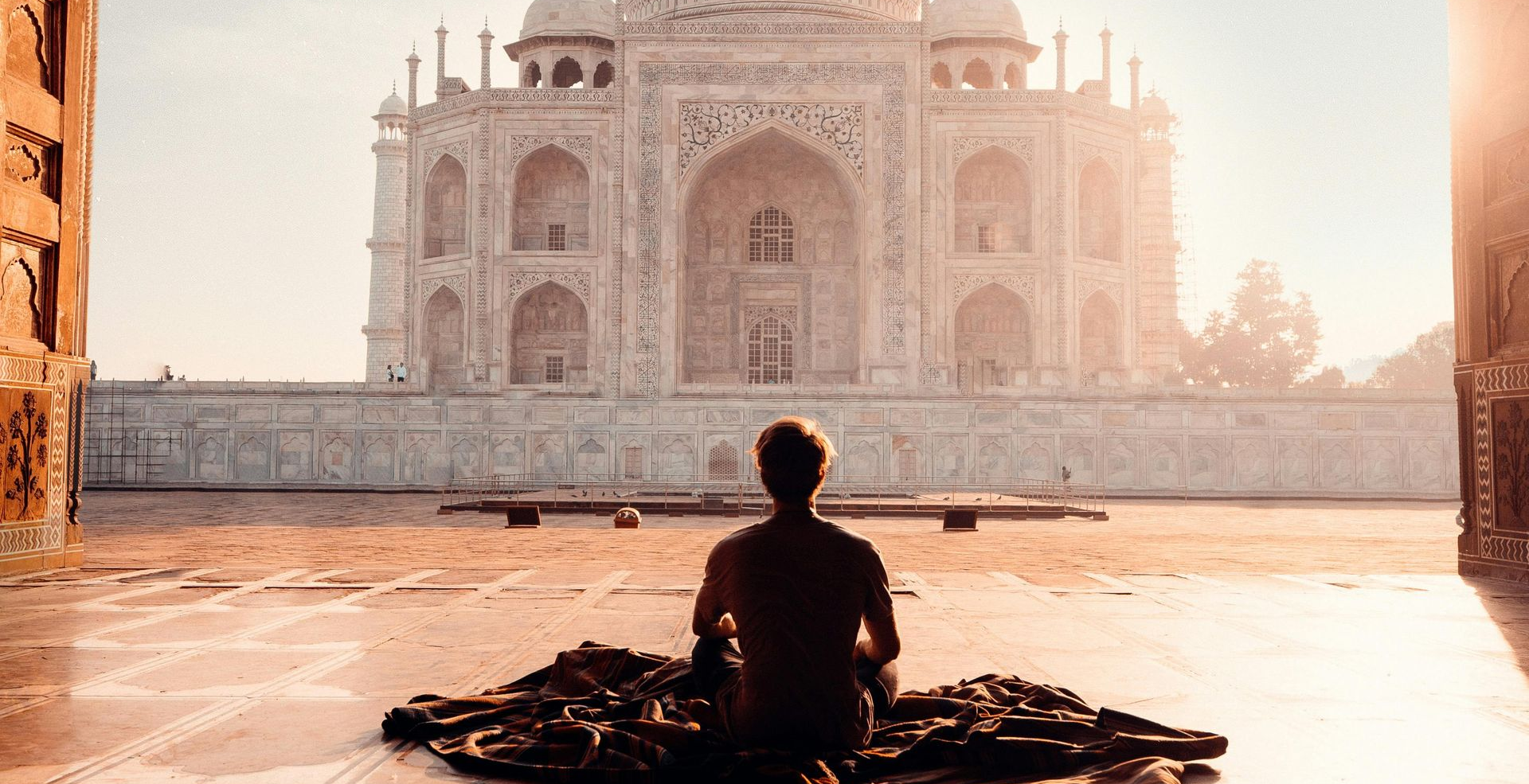
What is INTERSPIRITUALITY?
There’s a quiet but unmistakable shift happening among spiritually curious people today. Many still feel rooted in a particular faith tradition—often Christianity, Judaism, Buddhism, or Islam—yet no longer feel fully at home inside a single religious box. They aren’t abandoning belief. They’re deepening it. They’re asking better questions. And they’re discovering a word that finally names what they’ve been experiencing: interspirituality.
If that word makes you curious—or uneasy—you’re not alone. For some, interspirituality sounds like a blending that dilutes truth. For others, it feels like a lifeline: a way to honor one’s faith while learning from the wisdom of others. This tension is exactly why the idea resonates so strongly right now, especially among those drawn to pilgrimage, sacred journey, and spiritual travel.
Let’s talk plainly about what interspirituality is, what it isn’t, and why it has become so compelling for today’s spiritual traveler.
A Simple Way to Understand Interspirituality
At its core, interspirituality is about deep listening across spiritual traditions without abandoning one’s own roots. It’s not a new religion. It’s not a theological free-for-all. And it’s not about flattening all beliefs into “everything is the same.”
Interspirituality starts with a humble recognition: that the Divine, the Sacred, or Ultimate Reality is larger than any single tradition’s language or symbols. Different faiths have developed distinct ways of encountering and responding to that Sacred Mystery. Interspirituality invites us to learn from those encounters while remaining honest about where we stand.
Think of it less as mixing religions and more as standing firmly in your own soil while allowing your branches to grow outward.
This approach has been quietly practiced for decades by contemplatives, monks, mystics, and spiritual teachers. Figures like Thomas Merton, who remained deeply Christian while engaging Buddhist thought, or Richard Rohr, who speaks of universal patterns of transformation rooted in Christian mysticism, helped lay the groundwork. Interspirituality simply gives language to a posture many seekers already live.
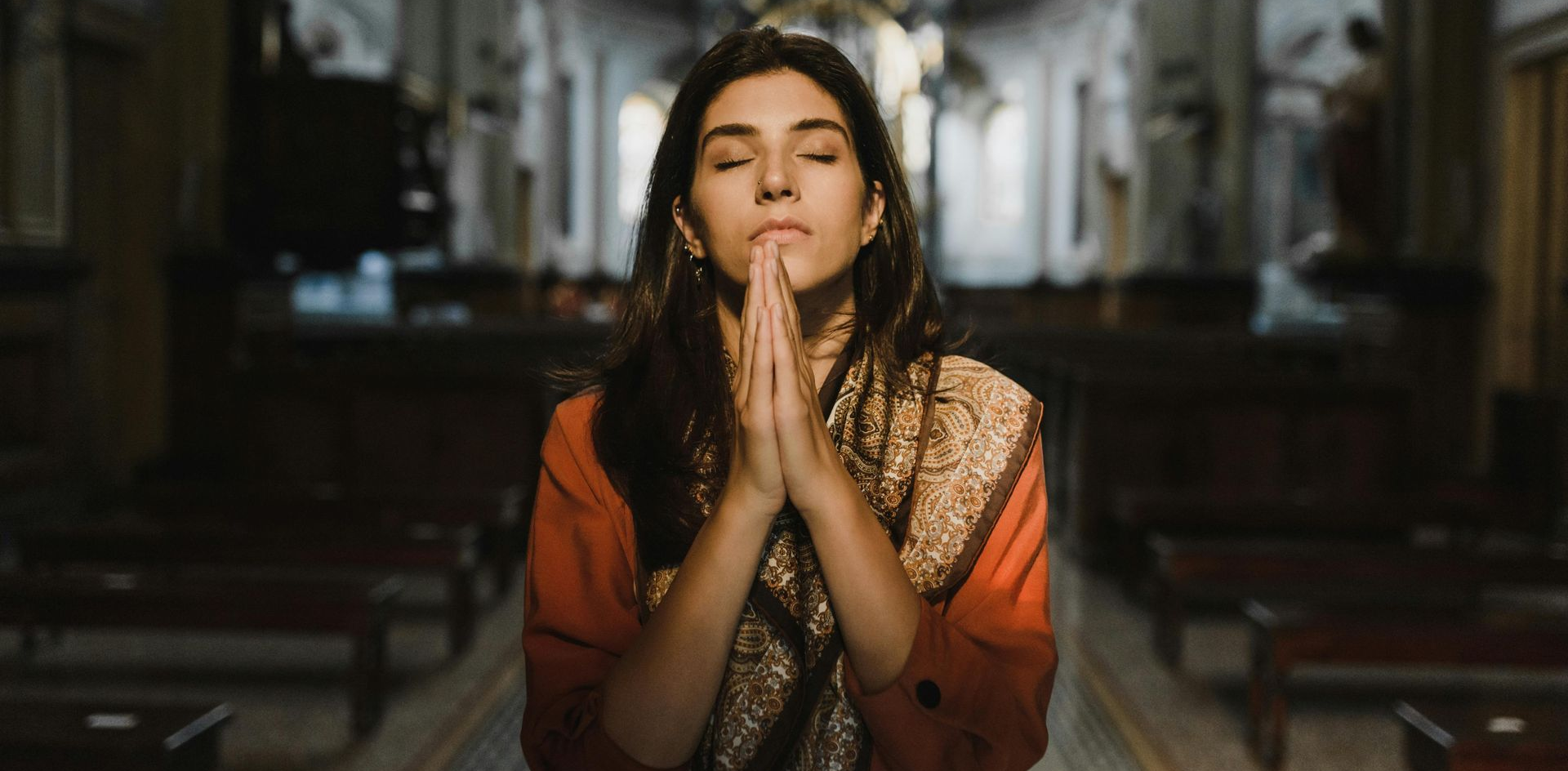
Interspirituality vs. Interfaith: A Crucial Distinction
One common question is how interspirituality differs from interfaith dialogue. They’re related, but not the same.
Interfaith engagement typically happens at the level of belief systems, doctrines, and institutional relationships. It focuses on mutual respect, coexistence, and cooperation between religions—often in social, political, or academic contexts.
Interspirituality, on the other hand, moves inward. It lives at the level of spiritual experience and practice. It asks questions like: How do different traditions pray? How do they approach silence, suffering, forgiveness, or awakening? What happens when I witness another tradition’s way of encountering God—or the Holy—without needing to explain it away?
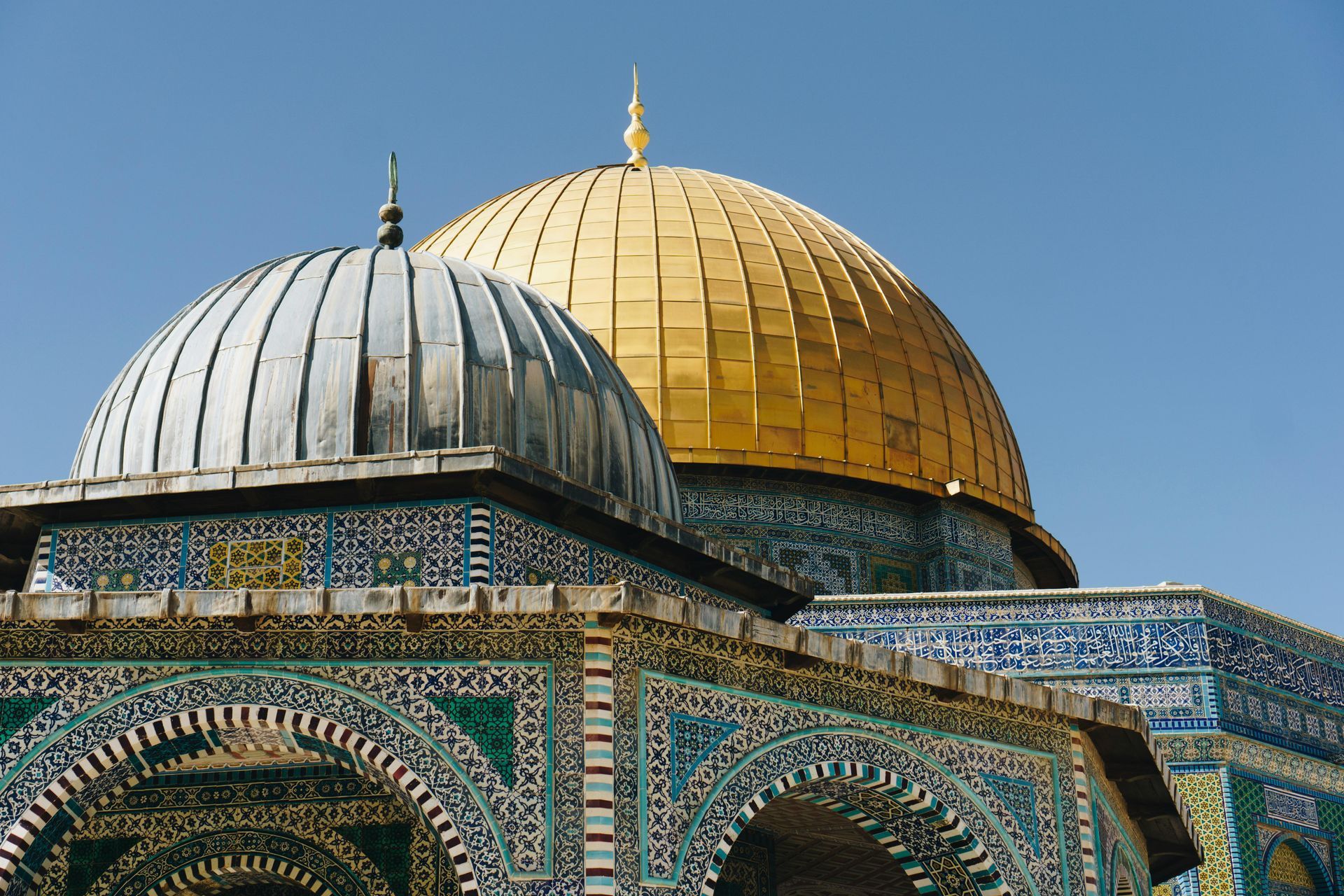
For the spiritual traveler, this distinction matters. A pilgrimage to the Holy Land, for example, can be interfaith in context—multiple religions sharing sacred space—but interspiritual in impact, awakening something personal and transformative within the pilgrim.
Why Interspirituality Resonates Right Now
So why now? Why does this language feel timely, even necessary?
First, many people are experiencing spiritual fatigue with rigid answers. They’ve inherited beliefs that once brought comfort but now feel incomplete in a complex, interconnected world. They aren’t rejecting faith; they’re rejecting oversimplification.
Second, global access has changed everything. Spiritual destinations that once felt distant—Jerusalem, Varanasi, Ladakh, Assisi—are now reachable. When you stand in places layered with centuries of prayer, something shifts. It becomes harder to dismiss other traditions as irrelevant or misguided when you see the depth of devotion lived out in real human lives.
Third, there’s a growing hunger for experience over explanation. Many spiritual travelers want less debate and more encounter. They’re drawn to spiritual tours that offer silence, ritual, walking, and reflection rather than lectures alone. Interspirituality meets this hunger by honoring lived wisdom.
And finally, there’s a quiet maturity emerging among seekers. A sense that faith strong enough to last doesn’t need to be fragile. It can listen without fear.
The Big Fear: “Will I Lose My Faith?”
This is the question that sits beneath many conversations about interspirituality, especially for Christians and Jews who feel deeply connected to their tradition.
The honest answer? Only if your faith depends on not being questioned.
Interspirituality doesn’t ask you to stop believing what you believe. It asks you to notice what happens when you encounter God—or the Sacred—through unfamiliar forms. For many, this actually strengthens their faith. They return to their own scriptures and rituals with fresh eyes, deeper humility, and renewed gratitude.
A Christian walking the Via Dolorosa alongside Jewish and Muslim neighbors doesn’t become “less Christian.” Often, they become more aware of the radical depth of Jesus’ context. A Jewish traveler hearing Buddhist teachings on compassion doesn’t abandon Torah; they may rediscover its ethical power with new resonance.
Interspirituality is not relativism. It doesn’t say all paths are identical. It says truth is generous enough to be approached from multiple directions.
What Interspirituality Is Not
- It’s worth being clear about what interspirituality does not ask of you.
- It does not require you to abandon your theology.
- It does not erase meaningful differences between traditions.
- It does not reduce spirituality to vague positivity.
- It does not replace commitment with curiosity alone.
In fact, shallow engagement is the opposite of interspirituality. This path asks for depth, humility, and patience. It honors difference without needing to conquer it.
For the spiritual traveler, this means resisting the urge to “collect” experiences like souvenirs. A sacred journey isn’t about sampling rituals for novelty. It’s about allowing place, people, and practice to work on you—sometimes uncomfortably.
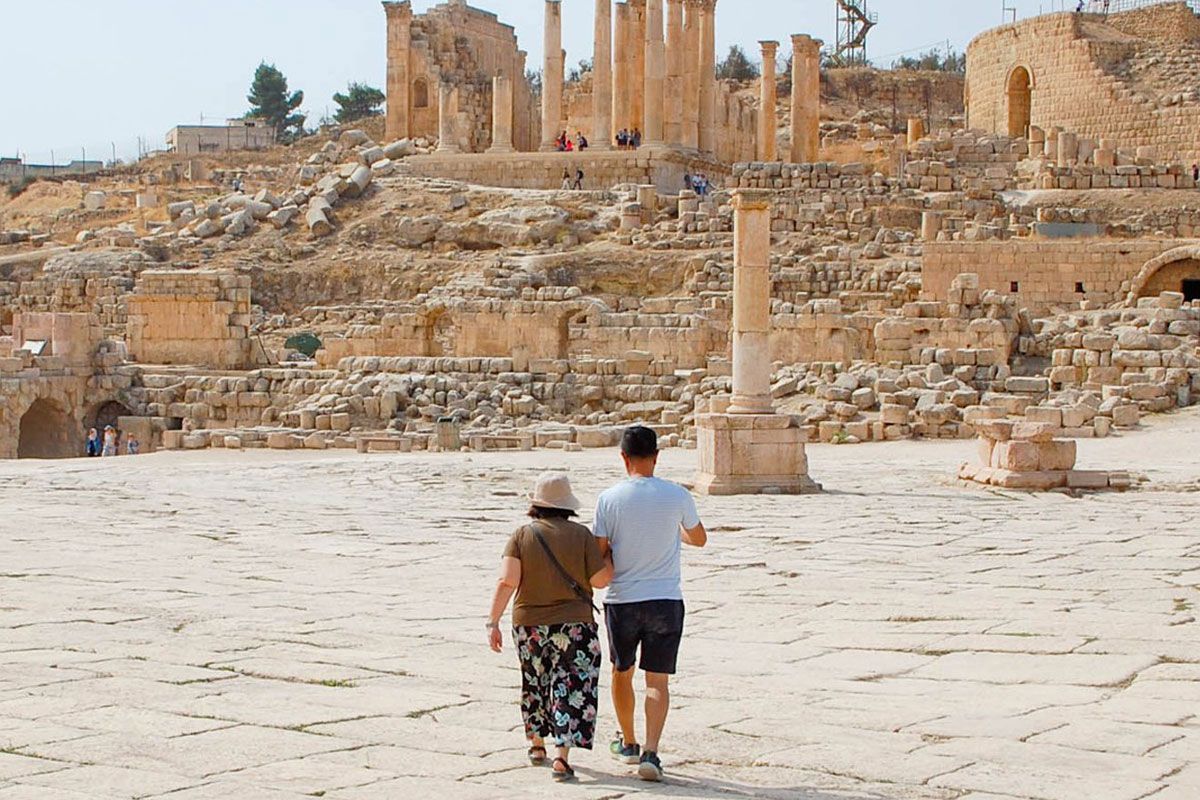
Interspirituality and Pilgrimage: A Natural Pairing
Pilgrimage has always been interspiritual in practice, even when it wasn’t named as such. Sacred sites are rarely owned by a single story. Jerusalem alone holds layered meanings for Jews, Christians, and Muslims, each carrying centuries of devotion, suffering, and hope.
A pilgrimage to the Holy Land inevitably confronts travelers with complexity. You walk streets sacred to multiple traditions. You hear prayers in different languages. You encounter faith expressed in unfamiliar ways. Interspirituality offers a way to stay present rather than defensive.
Instead of asking, “Which tradition is right?” pilgrims begin asking, “What is being revealed here?” That shift—from argument to attention—is often where transformation happens.
This is why so many spiritual travelers today are drawn to journeys that don’t promise certainty but invite presence.
Who Interspirituality Speaks To
Interspirituality especially resonates with people who might feel caught between worlds:
- Those who love their faith tradition but feel constrained by its institutional expressions
- Those who have outgrown literalism but haven’t lost reverence
- Those who sense that God is larger than the categories they were given
- Those drawn to spiritual tours that emphasize encounter, reflection, and lived wisdom
For the spiritual traveler, this isn’t about rebellion. It’s about integration. It’s about bringing together head and heart, belief and experience, devotion and curiosity.
Traveling as a Spiritual Practice
One of the most overlooked aspects of spiritual travel is how it mirrors inner transformation. Leaving home disrupts routine. Sacred destinations slow you down. Walking ancient paths humbles you. Encountering difference reveals your assumptions.
Interspirituality frames travel itself as a teacher. It encourages listening—to the land, to the stories of others, and to what stirs within you. A sacred journey becomes less about answers and more about becoming the kind of person who can live with mystery.
This is why thoughtfully guided travel matters. Without intention, spiritual destinations can become just another backdrop. With care, they become mirrors.
A Deeper Way Forward
Interspirituality isn’t a trend. It’s a response to a world where spiritual maturity requires both conviction and compassion. It doesn’t replace faith; it refines it. It doesn’t erase difference; it teaches us how to live with it wisely.
For many spiritual travelers, this path feels less like choosing something new and more like finally naming what has been quietly unfolding within them for years.
If you’ve felt drawn to sacred places, to conversations across traditions, or to a spirituality that can hold both roots and openness, you’re not alone—and you’re not lost. You may simply be walking an interspiritual path.
Holy Land 360 offers spiritual travel consultation and thoughtfully guided journeys for those seeking depth, context, and transformation—helping you discern and book experiences that honor both your faith and your curiosity.